ABOUT US
Training
Experience
International Standards
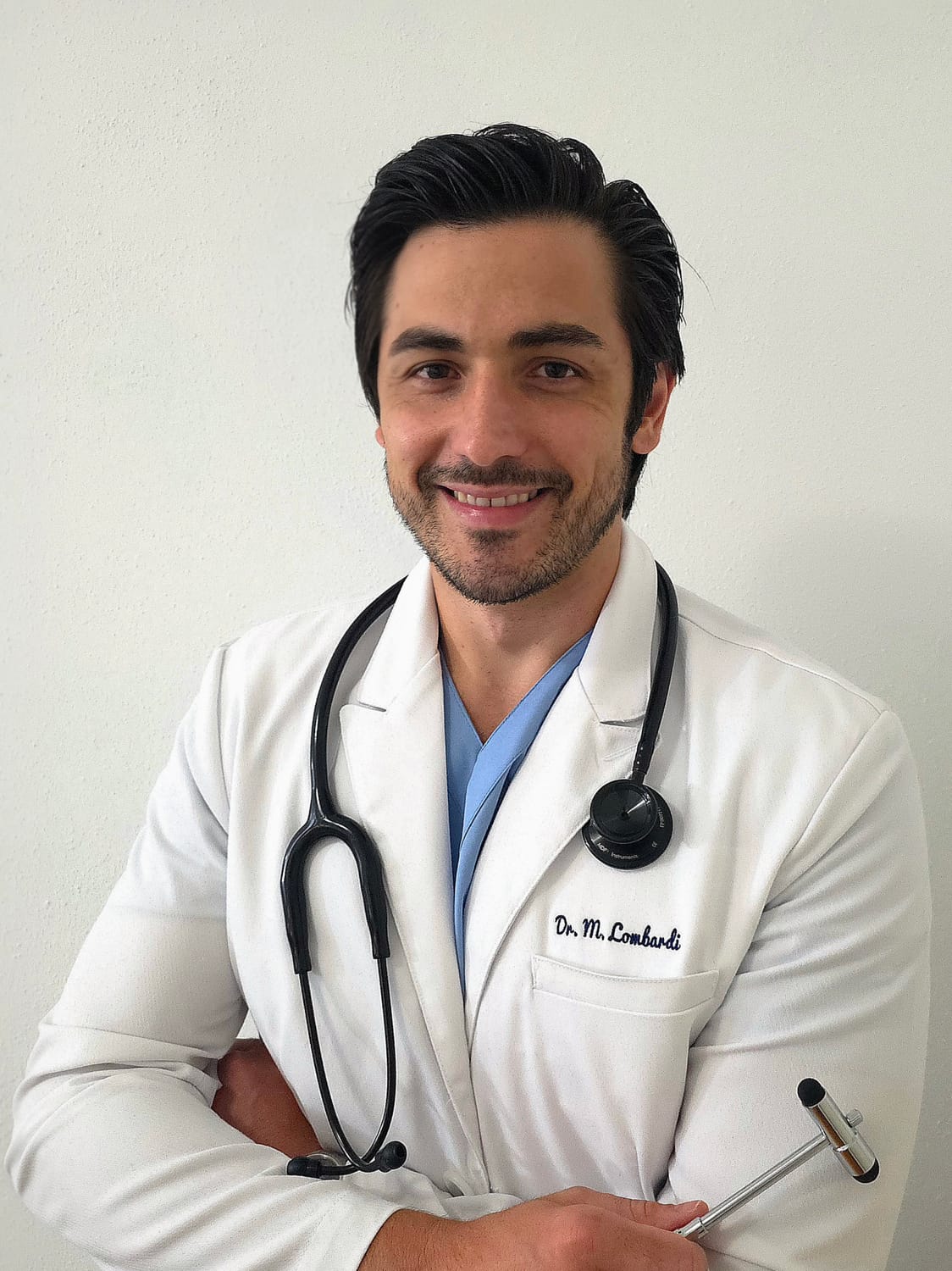
SpineCare was founded from Dr. Matteo Lombardi’s vision of creating a private model of musculoskeletal care that is highly personalised and directly accessible to the individual, without the constraints of a traditional clinical setting.
The practice brings together international training developed across Europe and the United States, alongside a multidisciplinary background encompassing:
Medicine
Osteopathy
Orthopaedics
Musculoskeletal and biomechanical assessment
This foundation is further complemented by extensive experience gained through ongoing work with United States military personnel, in settings requiring particular attention to physical function, movement, performance, and individual needs.
From this background comes an approach that is rigorous, comprehensive, and strongly assessment-led, integrating movement analysis, biomechanics, and osteopathic treatment. Care is delivered directly in the comfort of the patient’s home and tailored to the specific needs, circumstances, and lifestyle of each individual.

A distinctive element of this background is Doctor of Osteopathic Medicine (D.O.) training in the United States.
Within the American healthcare system, a D.O. is a fully licensed physician, following a comprehensive medical education that runs parallel to the M.D. (Doctor of Medicine) pathway.
D.O. training encompasses the core disciplines of medical science, clinical education, and hospital-based experience, while also incorporating the principles and philosophy of osteopathic medicine.
This approach brings together a strong medical foundation with particular attention to the relationship between structure, movement, function, and overall health.

From Medicine to Musculoskeletal Care
Dr. Lombardi’s professional development also includes a Master’s degree in Orthopaedics, through which he has further explored functional anatomy, biomechanics, and the principal conditions affecting the musculoskeletal system.
The integration of medical education, osteopathic training, and advanced orthopaedic study allows for a broader perspective when assessing the individual — considering a condition not solely in relation to its symptoms, but also to function and the context in which it develops.
Dr. Lombardi’s professional background is further enriched by international postgraduate education at Harvard University and Stanford University, with advanced study across clinical, metabolic, nutritional, and applied medical fields.
Continued professional development is an essential part of his practice, reflecting an ongoing commitment to study, research, and professional advancement in order to maintain a broad, rigorous, and continually evolving body of knowledge.

Alongside his academic background, Dr. Lombardi has developed professional experience in international, physically demanding environments, working with individuals whose physical, professional, and performance requirements vary considerably.
Of particular significance is his experience working with United States military personnel, within an environment where the body is routinely exposed to substantial physical demands, repetitive activity, and specific operational requirements — making optimal physical function an essential component of professional life.
This experience has contributed to a rigorous approach centred on understanding the underlying problem, conducting detailed functional and biomechanical assessment, and identifying the key factors that may influence its onset, persistence, and recovery.

Dr. Lombardi’s work with a United States Army unit was formally recognised through an award for voluntary merit and service contribution.
This recognition represents a meaningful acknowledgement of the trust and professional value demonstrated within a highly structured international environment, where reliability, preparation, and the ability to contribute effectively carry particular significance.

Alongside his clinical practice, Dr. Lombardi is also involved in postgraduate education, teaching osteopathic techniques in advanced training programs in Rome and New York.
Teaching represents an important part of his professional development. Sharing knowledge and clinical reasoning requires a thorough understanding of osteopathic techniques, their practical application, and the principles that guide their use.
This academic activity contributes to maintaining an approach that is rigorous, structured, and committed to continuous professional development, while sharing clinical experience and expertise with practitioners pursuing advanced training.